
The month has ended. The sales were strong, the P&L indicates a profit and nothing appears to be seriously to be wrong.
Then, you should check the restaurant’s bank account.
The number you received isn’t what you’d hoped for.
This disconnect can be frustrating for owners of restaurants because they believe that profit and cash availability should tell the same tale. They are not. A P&L measures the performance of the business’s finances over a specified time period, whereas an account in a bank shows the exact timing of funds flowing into and out of the business.
Understanding the difference could alter how a business owner is looking at the restaurant’s financials.
Check out the typical week. The customers pay for food. It is important to pay employees. Food and drinks are issued. Rent is coming. Credit card transactions have their own specific timing. Sales tax is collected but it’s an obligation.
The buying for next week has already begun.
If you focus only on the amount of revenue or income, then you’ll overlook a significant portion of this action.
The key to the answer may lie in the price of the best.
If restaurant profits begin to move in the wrong direction, food, drink, and labor costs deserve attention.
Together, the cost of items sold and labor are the main costs. The Bookkeeping Chefs’ instructions place the main cost between 60% and 65% of revenues for many restaurants. They also recommend daily monitoring, not waiting until the month ends.
Effective prime cost management involves less obsessing on a single percentage and more attention to the early movement.
Imagine that the restaurant’s performance generally within its target However, this past week, it grew. Maybe overtime went up. Maybe beverage costs were stable as food costs rose. A higher percentage of food could cause the manager to look at purchasing, waste, menu mix portions, or vendor invoices.
The percent raises the issue. It is in the activity in the restaurant.
Weekly reports allow for this discussion to occur while everyone is still aware of what’s transpired.
The details will be harder to remember two or three days later.
When the vendor bills arrive
A restaurant may purchase ingredients in the week ahead, but pay for them later. This explains why knowing the profit isn’t enough to answer every cash question.
Vendor invoices must be tracked, accepted and paid. In the course of manual processing, an office with many suppliers can become a huge administrative burden.
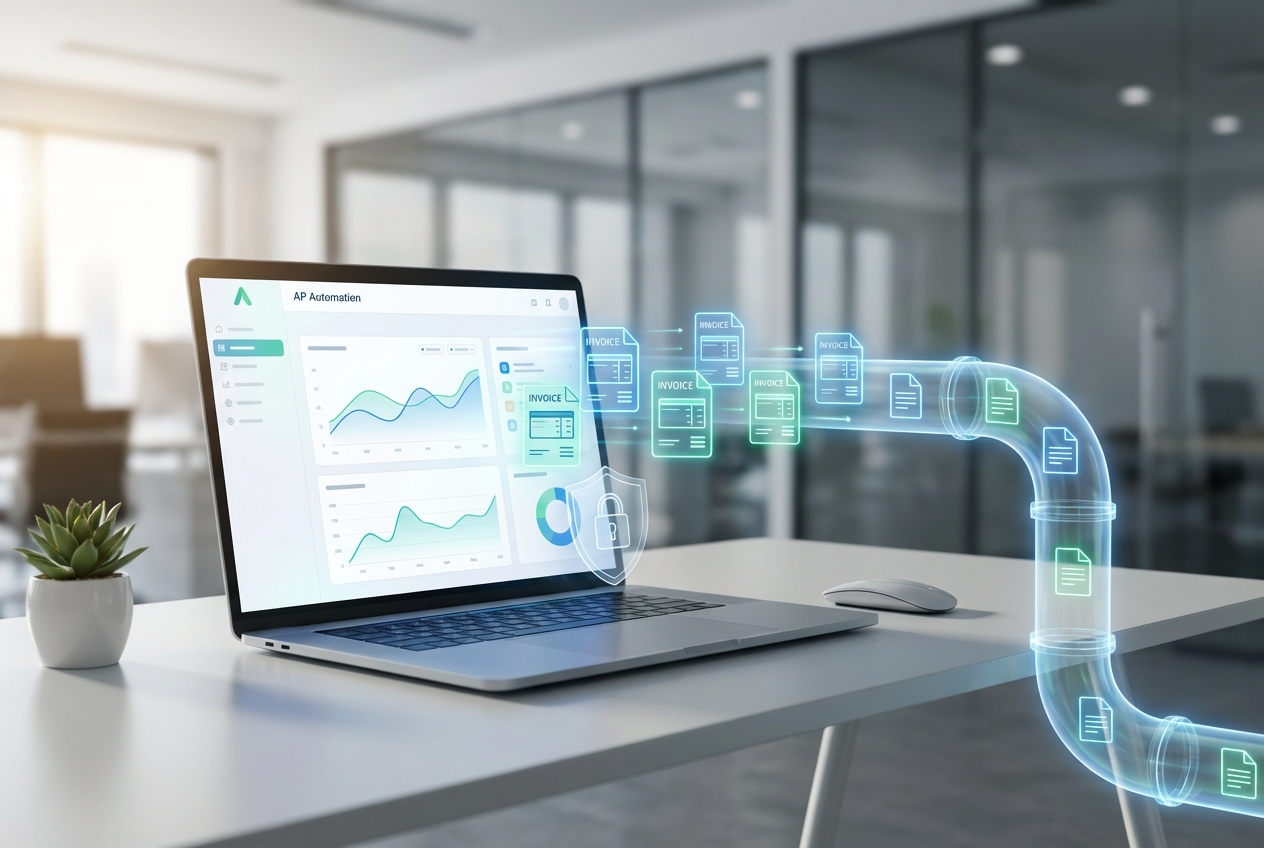
Accounts payable automation helps organize this process by reducing repetitive handling of bills and payment information. Systems for bookkeeping that are linked to accounting systems can provide owners with a clear picture of obligations, even if they’ve not yet been paid.
It’s helpful because, when looked at as a whole a restaurant s bank balance may appear to be healthier than its actual short-term financial position.
There is currently an amount of $80,000 in the account. The figure of $80,000 is little if rent, vendors or payroll make up a large portion over the coming days.
This leads to the cash flow forecasting.
What will happen with our cash after we’ve gotten the amount we’ve hoped for and met all of our obligations?
This is a crucial distinction when deciding the appropriateness of the appropriate time to buy an additional purchase or replace equipment, or maintain the liquidity.
The Cash Wasn’t Yours at All
The sales tax example is an excellent one.
Restaurants get money from customers, which they have to follow in accordance with their tax obligations. If these funds are coupled with the normal operating cash, then the bank balance may provide an inaccurate picture of how much cash is available.
Consistent records support sales tax compliance, while giving the management a better view of the restaurant’s finances.
This is the reason that restaurant accounting functions better when financial responsibility isn’t thought of as separate entities.
Prime cost affects margin. COGS and future payments are impacted by purchases from vendors. The percentage of labor and cash are affected by the payroll. Sales tax affects cash availability. P&Ls are used for recording the financial performance. Forecasting can also be useful for management.
Connect the pieces.
Bookkeeping Chef incorporates restaurant-specific reporting with system integrations. Outsourced bookkeeping services that are specifically tailored to your needs are an excellent alternative for those who don’t have the time to reconcile their financial data. They are able to handle the bulk of the accounting task while removing the proprietor from financial discussions.
The last point is vital.
The aim isn’t to get restaurant owners to simply stop looking at their accounts because someone else handles them. It’s important that the owners receive information so they are aware of what’s going on.
Don’t be fooled into thinking that the P&L is incorrect if the balance of the bank seems to be tight, however the P&L shows the restaurant has made money.
What was the difference between them?
This one question could teach you something more about the food you serve than any other number could alone.