
Be aware of the amount of planning that is required for a public park. Landscape architects have to consider the accessibility, circulation for pedestrians and drainage issues, as well lighting, parking, the design of playgrounds, as well as how various groups will use the space. However, one of the most commonly used structures on the property can occasionally be regarded as an off-the-shelf item.
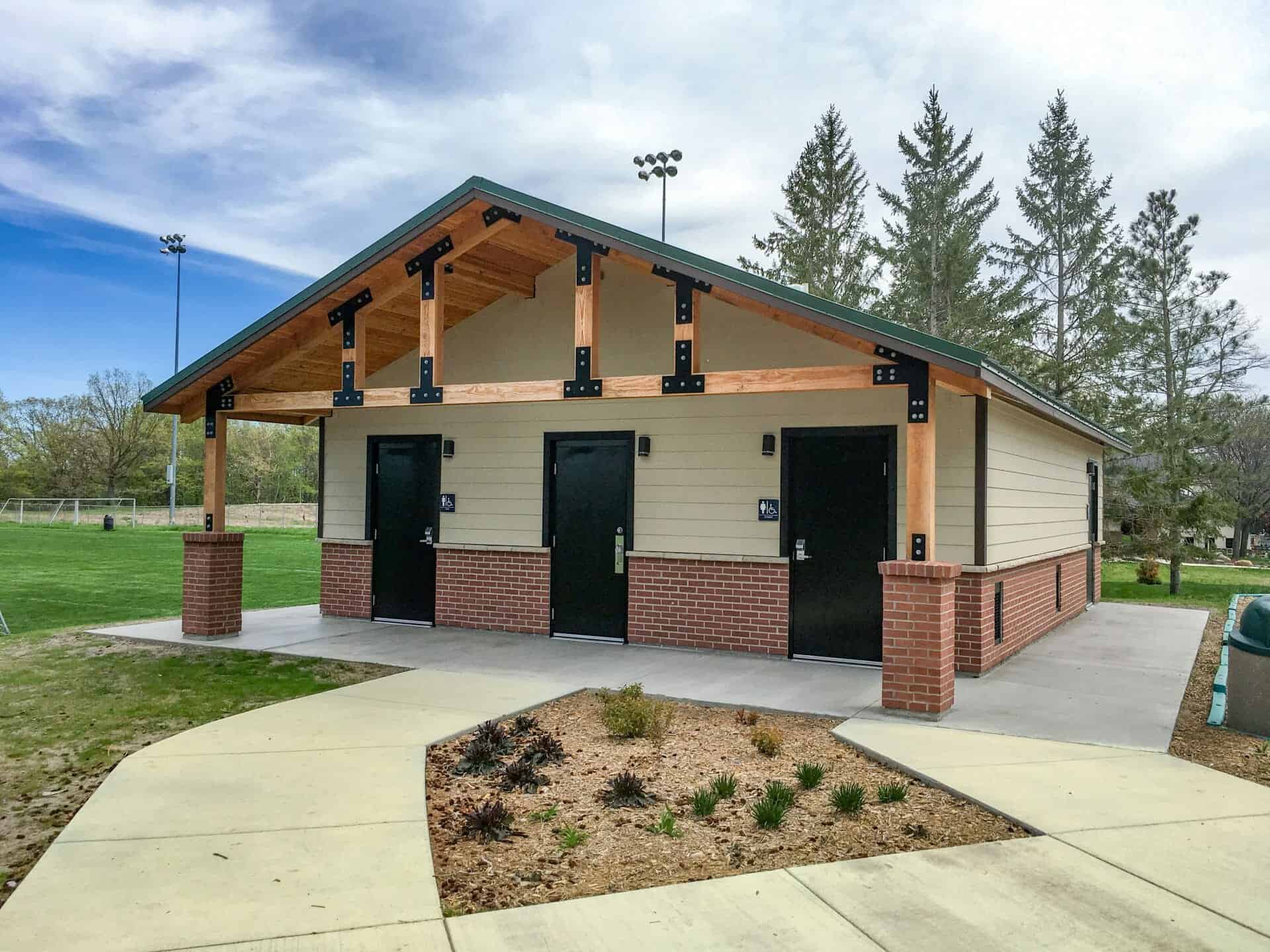
Image credit: romtec.com
A restroom deserves more consideration. There are sanitation and plumbing regulations, accessibility standards in addition to security, maintenance, and building code obligations. It also has to withstand decades of harsh weather and heavy use by the public.
Romtec’s system allows the restroom to be part of a larger planning process instead of an extra-curricular thought.
Prefabrication doesn’t have to mean the same building
The term prefabricated park restroom buildings can suggest a limited selection of standard structures. Kit-based methods can differ.
Romtec creates custom designs, offers the engineering documents and construction materials required to construct them, and also plans and specifications. Landscape architects can choose the architectural styles and materials most suitable for their design, while Romtec provides expertise in codes, ADA requirements and pricing.
For example, a municipality who is undergoing a renovation of an old park might have different ideas for the exterior as opposed to a recreation agency building an entirely new sports facility. Both can still benefit from a planned building-supply process, but without making the structure identical.
City Streets are a Different Design Brief
Bathrooms in urban environments have their own operating realities. They might be subjected to continuous traffic from pedestrians and have to be aware of vandalism, lingering, safety, and regular cleaning.
The design on the exterior of bathroom on the sidewalk by Romtec has a high degree of visibility, which helps to ensure natural security, while keeping the functional features required of a public space. Low-maintenance materials and vandal-resistant components are especially important in this regard because frequent repairs can create an enormous operational burden for public entities.
It’s not just about building a better restroom. Layout, materials, and the surrounding environment all contribute for making it easier to maintain.
The most important issue is the one that lies beneath.
Planners should first consider the infrastructure that is available before deciding how a bathroom will look.
A well-developed city park could be connected to electricity, water and the sewer system for sanitary use. If you connect these facilities to an isolated campsite or trailhead this could result in an expensive expense.
For locations that are suitable vault toilets offer a waterless alternative. Romtec also provides parts for these facilities, like its single-piece plastic toilet riser. The smooth, molded material is resistant to chemicals and is easy to clean and designed to discourage the growth of bacteria. It can be put in both existing and new vault restrooms.
Visitors who arrive after closing time should be accomodated with a style that is welcoming.
Visitors can only use the restroom for a short time. Maintenance staff have been living with the design for a long time.
That difference in perspective matters. It is difficult for surfaces to clean, parts which are easily damaged, and substances that are not well-suited to repeated cleaning could turn simple design choices into costly recurring costs.
Cost, durability, and reliability are therefore important factors to take into consideration in the design process. Sustainability, energy efficiency vandal-resistant fixtures and a simple maintenance routine can affect the value of a building.
The landscape can still include one small structure
Restroom architecture doesn’t need to be in competition with the park around it, but neither should it appear unintentional.
Romtec’s customized approach allows designers and public agencies to link restrooms with other architectural elements like pavilions, shelters and pools. While doing so, practical requirements such as ADA accessibility sanitation, code compliance durability, as well as maintenance are at the heart of the design.
If those concerns are taken care of together, the end result isn’t merely a place for toilets. This is a public infrastructure piece which is specifically designed for the neighborhood and its environment.