
A cryptocurrency wallet displays an amount of USDT 1000. The amount shown on the screen is simple around one thousand dollars digitally. This figure raises an interesting issue. What determines the value of the tokens to approximately $1 each?
As opposed to a traditional account at a bank, a stablecoin balance represents digital tokens created through an independent financial arrangement. To understand the stabilization arrangement, you need to take a look beyond the prices of cryptocurrency and look at issues like reserve, issuer, blockchain technology and redemption.
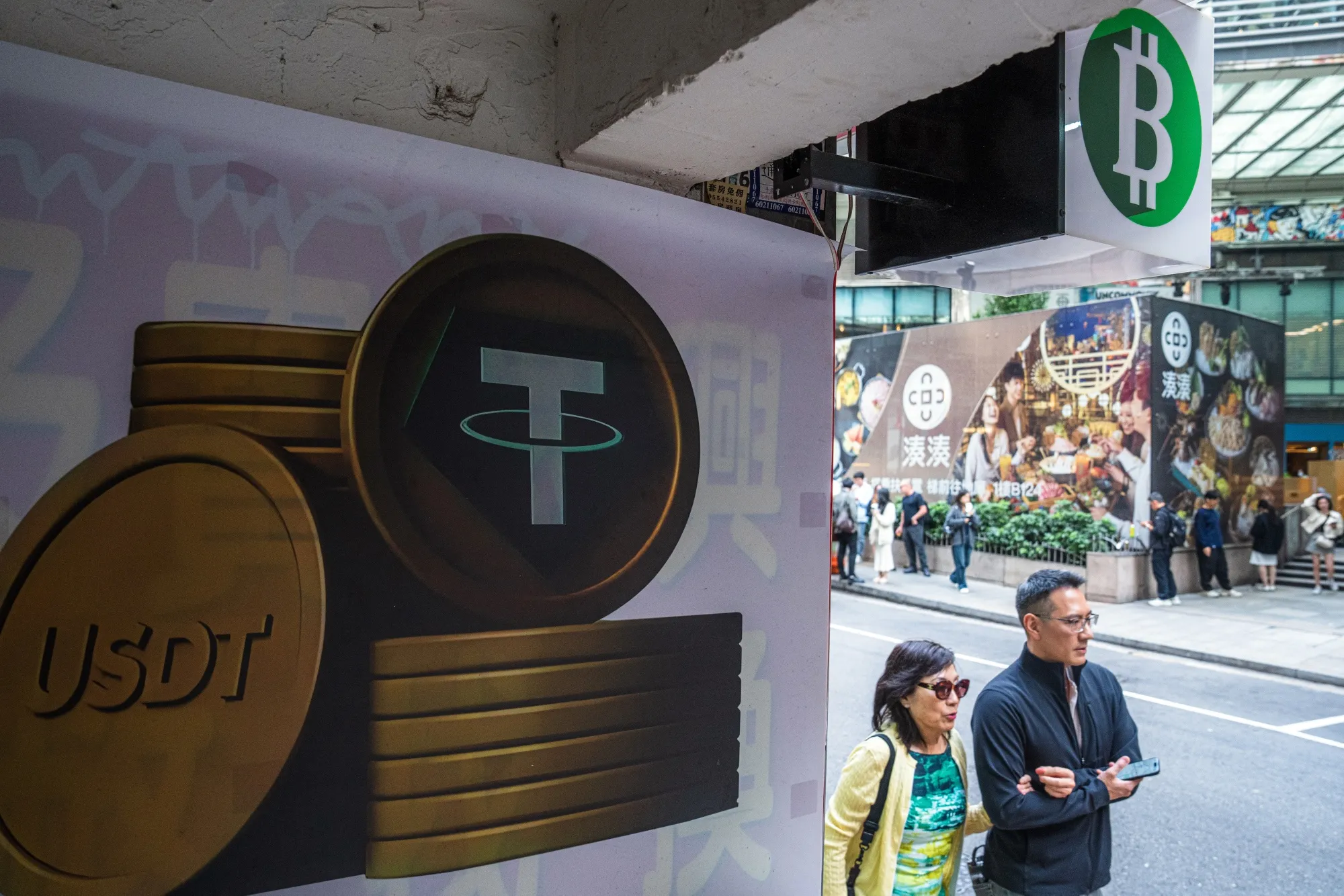
The Blockchain only shows tokens and is not the complete financial picture
The tether stablecoin , commonly known as USDT, is designed to maintain a value close to the U.S. dollar. Tether creates tokens backed by reserves. Blockchain records are not able to determine the composition or financial status of the reserves.
Public ledgers are a way to document certain contract-related activities like token transfers and circulating balances. In general, it can’t independently verify assets that are held within traditional financial instruments, or bank accounts.
This distinction is important when looking at the transparency of a stablecoin. A reliable reserve assessment is based on the issuer’s public disclosures, the types of assets that they hold, their liquidity and any independent verification.
Ethereum makes Token Activity observable
USDT is a cryptocurrency that runs on Ethereum via an ERC-20 smart contract. The contract monitors the balance of tokens, and transfers are recorded according to programmed rules. Because Ethereum is a publicly-accessible blockchain, anyone is able observe contract activity and history of transactions using block-explorers compatible.
This transparency allows to examine how tokens move between addresses. The ability to monitor the movement of a transaction does not reveal who the owner of the wallet is or what the intention of the transaction was.
Ethereum also supports decentralized financial applications that use stablecoins for trading, lending as well as other transactions. These applications pose additional risks, such as smart contracts vulnerabilities and liquidity problems.
Stablecoins can be traded for a price that is either above or below the price of a dollar
USDT is an international currency that seeks to keep the dollar peg. However its exchange rate is decided by market. During normal trading hours, USDT is able to be traded at rates that are a bit more or less than one dollar.
These variances can be affected by demand for liquidity in the market in exchange rates, confidence in the redemption arrangements.
If you’re qualified and have access to the redemption facilities offered by the issuer, you can assist in the peg’s support by exchanging tokens in underlying currency, subject to the absence of restrictions or charges.
However, not all holders of retail can redeem their USDT directly. A lot of people prefer to purchase and trade USDT via exchanges for cryptocurrency. Prices are determined by current market liquidity. It is a sign that a stablecoin’s purposeful value is correlated to its actual trading prices, but they are not the same.
The Issuer Still Has Important power
It is a commonly held belief that all assets running on decentralized blockchains must be themselves decentralized. Ethereum is managed through a distributed system while USDT is managed and issued by a central institution.
The issuer is in charge of crucial aspects of token creation, redemption, and administration capabilities within token contracts.
Tether can, for instance, can also block certain addresses in certain situations. The features are separate for the stablecoins issued by a central authority (and the cryptocurrencies without a similar issuer) from cryptocurrency. Knowing this structure will aid users in understanding that blockchain decentralization is not a guarantee against risks posed by issuers.
Independent Research Helps Separate Facts from claims
A trustworthy crypto wiki will differentiate between blockchain activities that can be verified by the public, financial disclosures from issuers, and conclusions backed by independent evidence.
The past developments are crucial. Tether has been subject to regulatory scrutiny regarding earlier representations of reserve, including a 2021 settlement with the U.S. Commodity Futures Trading Commission. This is an explanation of the reasons why transparency, accountability and stablecoins are important research subjects.
TetherWiki serves as an unofficial reference to USDT, other stablecoins, blockchain networks, cryptocurrency exchanges, and regulatory developments. The site is not associated to Tether Limited, making it an independent educational resource for those interested in the stablecoin ecosystem.
Understanding USDT is much more than its price
A stablecoin blends several distinct systems: blockchain technology, token issue, financial reserves, trading markets, and oversight by regulatory authorities.
Each system addresses a distinct inquiry about how it operates. Ethereum offers transparency into token transaction. Reserve disclosures provide details on the security claims. Exchanges provide market prices as well as liquidities.
All of these sources are not sufficient to tell the whole picture. It is highly beneficial for anyone researching USDT to take a look at both the technology and the financial structure. A token designed to equal one dollar could be simple to describe, but understanding what supports that value requires much more than merely looking up the balance in an account.