
Very rarely does a successful garden begin with expensive equipment or a beautiful property. The majority of the time, it’s someone who plants a few seeds and pays attention to the results. This will help them make better decisions the following season.
The practical method is at the heart to The Sproutstead, an informational source for people who are looking to plant food and improve their soil, keep what they have harvested, and gain self-sufficiency without getting lost in technical terms.
Your Garden is Unique and has its own Specific Set of Rules
Gardening advice can sometimes be confusing as gardens don’t have the same characteristics. The same tomato cultivar that’s planted in a raised garden with sun in one place could act very differently than the same tomato variety grown in the dense, rocky soil in another region.
Successful gardening and homesteading therefore involves more than following instructions. Gardeners benefit from understanding their own conditions: sun soil structure, soil structure, temperature, growing season availability of space, the amount of time they’re able to dedicate to maintaining.
The Sproutstead discusses these aspects to help gardeners adapt their the gardening skills they have learned to their home, rather than trying to duplicate someone else’s perfect setting.
Vegetable Gardening Starts Below the Surface
The plants that can be seen by the naked eye draw attention, but a lot of gardening success is also determined by what’s underground.
A healthy soil balance is essential to ensure drainage, water retention, and the absorption of nutrients. Compost can improve soil with time while mulching can help conserve moisture and suppress weeds. Gardening with vegetables is simpler if you are aware of the basics. Healthy growing conditions provide plants with a solid foundation.
It is also important to plan. The spacing of plants, the timing of crops along with companion planting and seasonal succession will determine how effectively a gardener uses small spaces.
The Tomatoes Can Teach Us About paying attention
There’s a chance to hear 10 distinct stories from ten gardeners when you inquire about tomatoes. They are among the most-loved garden crops and show how different growing conditions can collaborate.
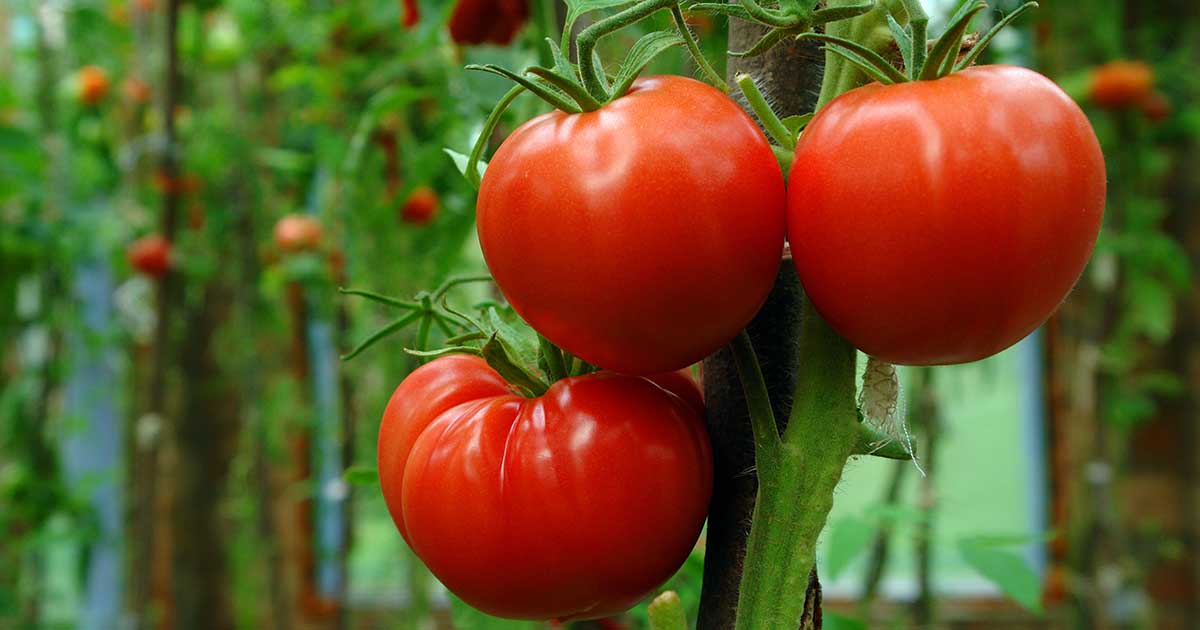
Anyone who is interested in how to grow tomatoes must look beyond the planting depth and fertilizer schedules. They require sufficient sunshine, continuous watering, an appropriate soil, appropriate spacing and support as they grow. It is crucial to select the most suitable tomato due to the conditions of growth the available space, as well as the intended use can all affect what tomato is most suitable.
When a plant produces abundant foliage but little fruit, such as, for example, adding fertilizer will not solve the problem. This could be due to high nitrogen levels in the soil, low temperatures, a lack of sunlight or inadequate pollination. Examining the entire plant gives better clues than treating every indication in the same manner.
The Story of a Harvest isn’t complete
When half the vegetables spoil before being consumed and eaten, it makes growing twenty pounds of veggies seem less successful. If you’re planning to grow your own garden It is crucial to take into consideration what happens after harvest.
Canning, freezing, dehydrating, sharing excess produce and saving seeds will help families get the most out of their gardens. Backyard chickens, plants fruits trees, and composting could eventually be added parts of the same system.
Nobody has to be implementing all the practices of homesteading at once. It is important to make progress in homesteading, whether it’s cultivating lettuce, making an organic compost pile, or preserving your first batch of tomatoes.
The power of knowledge is in the hands of information: better Gardeners are created by using Practical Information
Even the best gardening guidance doesn’t guarantee perfect plants. Weather conditions change, pests may appear, seeds may fail, and the recommendations may differ depending on the area.
The Sproutstead views these realities as a part of learning rather than as an exclusive feature. The Sproutstead connects subjects like soil, vegetable and seed beginning with self-sufficiency, pests (backyard chickens), preservation and backyard chickens. The readers will learn not only how to garden but also why.
It is ideal to construct a garden that is productive in similar to how plants develop: seasonally, gradually and from a firm foundation.