
A receipt in an eatery shows a patron drinking a variety of alcohol drinks. This customer was involved in a major car accident within a couple of hours of the incident. The receipt could be useful to an attorney who is seeking to determine the potential liability of a Dramshop. It’s not necessarily a proof of whether the restaurant served a customer who clearly drunk, or the employees did not follow rules. More revealing evidence might involve what happened between those drink orders.
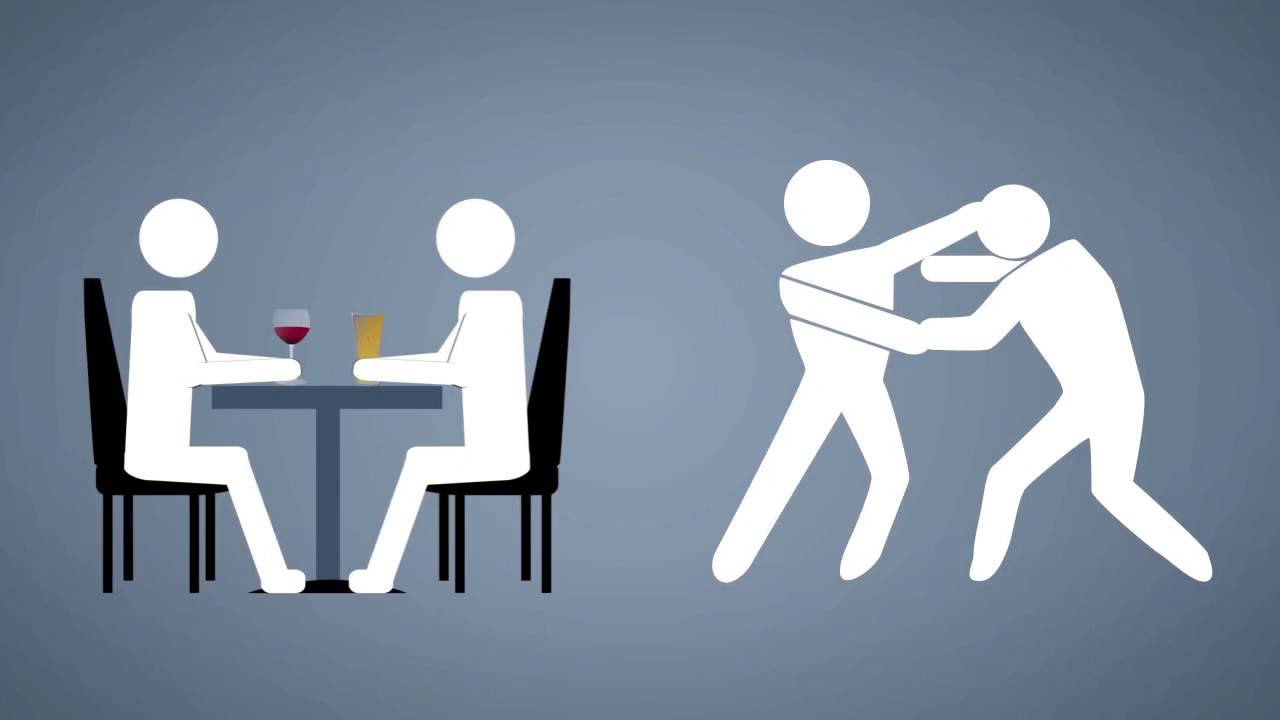
Understanding the sequence of events requires looking at the alcohol industry as a hospitality operation, not simply counting beverages after an incident.
Receipts record a sale not a customer’s condition
The record of the point-of-sale can be used to determine when the transaction took place, which beverages were purchased and how charges are assigned to the tab.
The receipt does not reflect what the customer’s actions were when the beverage was ordered. It might not reveal who consumed each beverage or whether the drinks were shared or not, or even what the bartender saw.
An expert witness will assist lawyers in understanding these records in relation to surveillance footage, employee testimony and other evidence. It is important to reconstruct the entire sequence of services without assuming every purchase will tell the entire story.
What Could Employees Actually Observe?
One of the most crucial issues in alcohol-related disputes is whether employees could have a reason to believe the patron was intoxicated. These could be evidence of impaired coordination, strange speaking or speech patterns, difficulties maintaining equilibrium or noticeable behavioral changes.
But these indicators require context. The actions recorded in video surveillance may not be a result of alcohol. Investigators should take into account the camera angle, quality of the recording, employee position, and if a particular behavior was apparent to employees.
Preston Rideout brings experience as a bartender, bar manager, nightclub general manager, and director of bar operations to these evaluations. His operational experience helps him connect recorded evidence to the responsibilities and limitations for employees who work in hectic hospitality environments.
Written Training Doesn’t Always Describe Real Practice
The majority of alcohol-related investigations are based on questions regarding preparation for employees. Was there any training for the server-sellers? Did the establishment educate employees to spot signs of intoxication? Did management explain the procedure for refusing to provide additional services?
Although these questions are crucial to the Responsible Alcohol Service, reviewing only the training certificates may not be enough to address them.
A place may have detailed policies without consistently implementing them. In the reverse scenario employees may have followed the guidelines even if it was not a good thing.
A thorough review of operational aspects include training materials, employee testimonies as well as management oversight and the incidents that are documented. It is crucial for plaintiffs’ and defense counsel to distinguish between the existence of the policy and the implementation of it.
Timeline often reveals important questions
Think about a person who has received drinks from a variety of bartenders throughout the course of a busy evening. The first bartender may have noticed normal behavior. Following a shift change, another bartender could have served a different beverage. Then, a manager could have intervened.
Without reconstructing the timeline that is the case, these decisions could seem to be one continuous act of service. Looking over documents of transactions, staffing plans as well as surveillance footage and incident reports all together will assist in determining who knew what and when. It’s best to find out the missing files or videos, instead of guessing.
Lawful Liability and Practices in Industry are Different Questions
Experts in hospitality can describe the accepted operating procedures of a restaurant and establish whether its actions are in line with these practices.
The court still has the duty of determining liability for legal reasons. Dram shop laws vary between states, including the circumstances under which alcohol providers may be subject to civil lawsuits.
Rideout Hospitality Consulting supports plaintiff and defense lawyers across the country by providing case reviews operations analysis, depositions, writing opinions, as well as trial testimony. The work of the company focuses on alcohol-related decision-making and staff training, as well as management techniques, and other related hospitality operations.
The strongest analysis accounts for what the Evidence cannot show
An alcohol-related incident can have devastating consequences, but the seriousness of the outcome cannot establish every earlier fact.
Lawyers must be able to determine the legal documents available and their limits in addition to how employees should have been expected to act in the situation.
An analysis of hospitality can be a thorough method to identify assumptions from documented actions and to determine if the venue’s practices were in accordance to accepted norms or not. This distinction lets courts evaluate the circumstances rather than using only the information discovered after the fact.